 ultimate-guide
Developing a Personal Style That Lasts: 2026 Guide
Table of Contents
- Start With What You Already Reach For
- How to Find Your Personal Style Without Buying Anything
- How to Build a Signature Look That Survives Life Changes
- The 3-3-3 Rule of Fashion, Explained for Real Closets
- How to Reinvent Your Personal Style Without Starting Over
- Cost Per Wear: The Math That Keeps a Style Going
- A Repeatable Decision Framework for Shopping
- Conclusion: Style That Lasts Is Style You Actually Wear
- Frequently Asked Questions
Last Updated: October 18, 2026
Start With What You Already Reach For
Developing a personal style that lasts doesn't start with a shopping spree.
Most style advice hands you a list of things to buy. We'd rather hand you a mirror. The clothes that survive years of wear fit without fussing, match what you already own, and say something you'd actually say out loud.
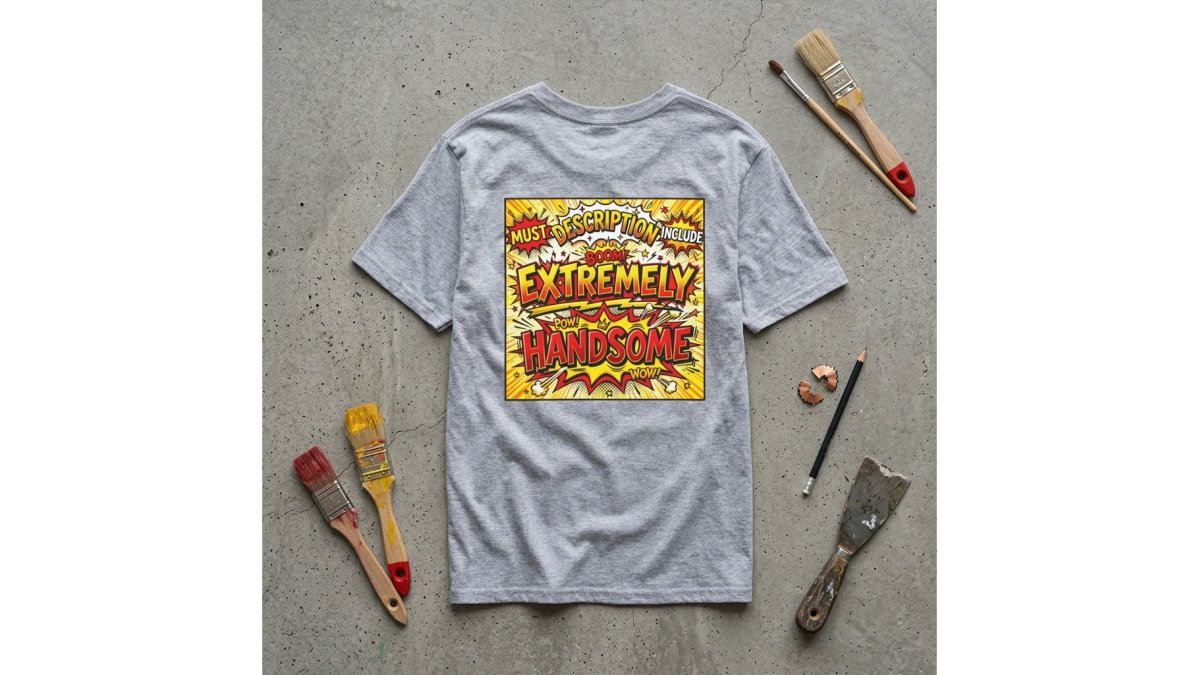
A graphic tee with a joke on it is a personality test you can wear. If you keep pulling it out of the drawer, that's data.
How to Find Your Personal Style Without Buying Anything
Finding your personal style is the practice of noticing what you already choose when nobody is selling you anything. It's less taste-making, more pattern-spotting.
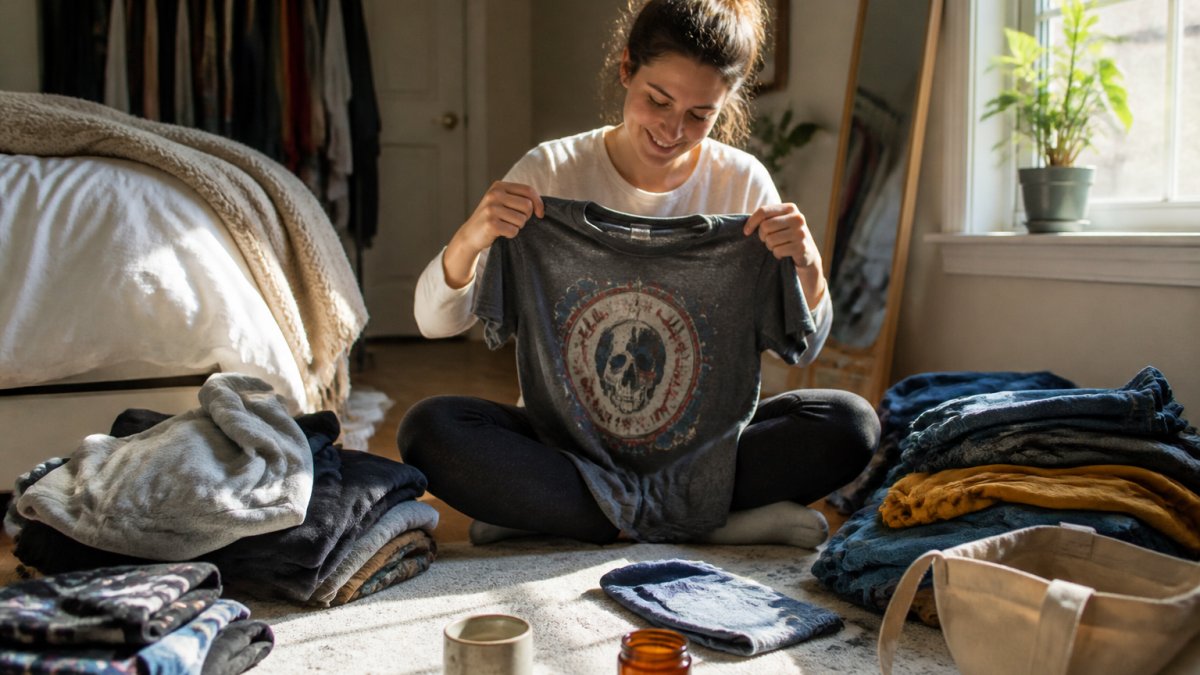
Here's how we'd do it in an afternoon, no wallet required:
- Pull every piece you've worn in the last two weeks and lay it out.
- Sort into three piles: love, fine, and "why do I own this."
- Photograph the love pile flat on the floor.
- Look for repeats: same colors, same fit, same level of loudness.
You'll usually spot a signature look hiding in there: relaxed fits and muted tones with one loud graphic, or all comfort all the time with a funny mug to match. Either is a style. Neither is wrong.
The Three-Question Test for Every Piece You Own
Run each item through this and you'll cut your closet edit in half:
- Does it fit right now? Not "after the holidays." Now.
- Would you wear it twice this week? If not, it's a costume, not a wardrobe.
- Does it feel like you, or like a version of you someone else picked? Trust the gut answer.
Anything that fails two of three goes in the maybe box, not the trash. Revisit it in a month.
How to Build a Signature Look That Survives Life Changes
A signature look is a small, repeatable set of choices that stays recognizable even when your life shifts underneath it.
The trick is separating structural pieces from situational ones. Structural pieces feel like you no matter the setting: a relaxed tee, a specific color, a comfort-first silhouette, a sense of humor you'll wear on your chest.
Build around the structural pieces and you'll survive a move, a career change, or a whole personality rebrand without restocking your closet.
The Four-Axis Adaptation Method
Most style advice stops at "know your structural pieces." The harder question is what to do when life changes. Run your look through these four axes whenever something shifts:
- Work axis. Did your dress code change? If you moved from an office to remote, your structural pieces probably didn't change, your situational ones did. Keep the tees and hoodies, retire the dry-clean-only layers, and reinvest the freed-up space in comfort-first pieces you'll actually reach for on a Tuesday.
- Climate axis. A move from a cold climate to a warm one doesn't kill a signature look; it re-weights it. Keep the color palette and the level of loudness, swap the fabric weight. The same graphic tee that layered under a flannel now stands alone. The hoodie becomes a cool-evening layer instead of a daily default.
- Body axis. Bodies change. A signature look that depends on one exact fit is fragile; one that depends on a silhouette (relaxed, tailored, oversized) bends without breaking. If your weight or shape shifts, keep the silhouette and re-fit the pieces rather than starting over.
The point isn't to preserve a museum exhibit of your past self. It's to keep the recognizable core while letting the edges move.
A Low-Risk Test for a New Direction
Before you commit real money to a style shift, run a two-week experiment. Pick one axis that's actually changing in your life, adjust only that axis, and wear the look to low-stakes places first, errands, a casual hang, the school pickup line.
That's the difference between a style that lasts and a style that gets donated in a season. The lasting version fits the life you're actually living.
The 3-3-3 Rule of Fashion, Explained for Real Closets
The 3-3-3 rule of fashion is a simple outfit formula: three colors, three pieces, three minutes to get dressed.
In practice: pick a base color, add a second neutral, and let one item do the talking.
Where people go wrong is treating it as a strict uniform. It isn't. It's a starting point for outfit combinations that work without a mirror debate.
How to Reinvent Your Personal Style Without Starting Over
Reinventing your personal style means changing the emphasis, not burning the closet down. Most people who "reinvent" successfully keep 70% of what they own and swap the loudest 30%.
The dramatic version, donate everything, buy a whole new identity, usually ends with regret and a lot of barely-worn clothes.
Start by picking one thing to turn up and one to turn down. More texture, less logo. More color, less black.
Classic Black T-Shirt — Minimal Casual Tee for Everyday Wear →
Testing a New Direction Before You Commit
You can trial a style shift for almost nothing:
- Wear the new direction to a low-stakes event first, not a big one.
- Borrow or thrift one piece before buying new.
- Give it two weeks of real life before deciding.
If the new look feels like a costume after two weeks, it's probably not yours. If it starts feeling like a default, you've found something.
Cost Per Wear: The Math That Keeps a Style Going
Cost per wear is the price of a garment divided by the number of times you actually wear it. A $25 tee worn 50 times costs 50 cents a wear. A trend piece worn twice is usually a bad deal. The math is simple; the hard part is estimating the denominator honestly.
This math is why we lean toward basics that hold up wash after wash. Our Classic Black T-Shirt is a soft, lightweight ring-spun cotton crew with a ribbed collar and shoulder tape built to keep its shape. Our White Classic T-Shirt does the same job in the other direction, and it takes a print or a layer without complaining.


Cost per wear is really cost per use, and it rewards what you reach for daily.
| Item | Times Used Per Year | What Makes It Worth It |
|---|---|---|
| Everyday graphic tee | 50+ | Soft cotton, holds shape, works with everything |
| Cozy blanket | 200+ | Lives on the couch, gets used, not stored |
| Morning mug | 300+ | Daily ritual, funny enough to start the day right |
| Seasonal candle | 40-60 | Sets a mood, makes a room feel intentional |
How to Judge Whether a Piece Will Actually Last
Cost per wear only works if the denominator is real. A cheap tee worn twice has a worse cost per wear than a better-made tee worn weekly for years. Before you buy, check construction the way a tailor would:
- Seams. Look for tight, even stitching with no loose threads. A single-stitch side seam is a warning sign; double-stitched or reinforced seams survive more washes.
- Fabric weight and hand. Ring-spun cotton feels smoother and pills less than open-end cotton. Heavier knits hold their shape longer than thin ones, though they can feel warmer.
- Collar and shoulder construction. A ribbed collar with shoulder tape (the strip of fabric running along the inside shoulder seam) resists stretching. A flimsy collar will wave the white flag after a dozen washes.
None of this requires a lab coat. It requires thirty seconds of looking before you add to cart.
Care and Repair Are Part of the Math
Garment care is part of the cost-per-wear equation, not a separate chore. Cold wash, low tumble dry, and skipping the bleach keeps prints crisp and cotton soft. Turn graphic tees inside out before washing, and air-dry when you can, the dryer is the number one enemy of elastic and print longevity.
Repair beats replace when it's a seam or a button. A popped seam on a favorite tee is a five-minute fix, not a funeral.
If you're building a rotation that earns its keep, start with the pieces you'll reach for daily. Our funny graphic tees are designed for exactly that kind of math, the kind where the thing you love gets used until it's soft, and then gets used some more.
A Repeatable Decision Framework for Shopping
Intentional shopping needs a filter, or every sale email wins. Here's the one we'd use before adding anything to a cart:
- Name three outfits it works with. If you can't, it's a one-outfit purchase.
- Check the cost per wear. Estimate wears per year, then decide.
- Ask if it fills a gap or duplicates a favorite. Duplicates are fine if the favorite is wearing out.
- Wait 48 hours. Most impulse buys don't survive the pause.
That framework works whether you're shopping for a funny holiday tee or a plain layer, and it keeps you from buying trend pieces that don't match your personal preferences, where most "buy-all" closets go wrong.
If you're building around a sense of humor, start with pieces that make you smile and go from there. Our no directives tee is a low-key graphic that layers without shouting, and the Core Cotton Camo Tee is a 100% cotton option for anyone who wants a little pattern in the mix. Both earn their place in the rotation.

Conclusion: Style That Lasts Is Style You Actually Wear
The hardest part of developing a personal style that lasts isn't finding inspiration. It's trusting that the version of you already in the closet is worth building on.
If you want to add a little humor to the rotation, that's our whole thing. Caltucky Creations makes funny graphic tees, hoodies, candles, mugs and blankets designed to be reached for daily, not saved for someday.
Continue shopping and find the piece that already feels like you.
Frequently Asked Questions
How do you develop a personal style that lasts?
Start with what you already wear on repeat, not with a shopping list. Pull out the pieces you reach for without thinking, note the colors, fits and fabrics they share, then build around those. Add a signature look you can repeat, use the 3-3-3 rule of fashion to keep outfits varied, and buy new pieces only when they work with at least three things you own. Personal style lasts when it grows from your actual habits instead of a trend cycle.
What is the 3-3-3 rule of fashion?
The 3-3-3 rule of fashion is a simple outfit formula: three colors, three fabrics or textures, and three accessories or layers. It gives you a repeatable structure so you can get dressed fast without looking like you wore the same thing yesterday. It also works as a shopping filter. If a new piece cannot slot into a three-color palette or mix with two textures you already own, it probably will not earn its closet space.
How do you reinvent your personal style without starting over?
Keep the pieces that already fit your body and your life, then change the edges: swap one accessory, try a new color in a small dose, or restyle an old favorite with a different layer. Test a direction for two weeks before buying anything new. Most people find they only need three or four fresh pieces to make a wardrobe feel different, not a full replacement. Reinvention is editing, not erasing.
How can you tell whether a fashion trend suits you?
Run it through your own closet first. If the trend needs three new purchases to work, skip it. If it works with pieces you already love and fits the colors you actually wear, try it in one low-cost item. Wear that item twice in a week and see whether you reach for it again. Trends that suit you get repeat wear; trends that do not end up at the back of the drawer within a month.
How often should you update your personal style?
Review your wardrobe twice a year, once at the start of warmer weather and once before colder months. That is often enough to catch fit changes and worn-out staples without chasing every trend. Between reviews, only buy when something wears out or a specific gap keeps ruining your outfits. A lasting personal style updates on your schedule, not the season's.
How can you find clothes that fit your lifestyle and personality?
Count what your week actually looks like: work, errands, evenings out, lazy weekends. Buy for the biggest blocks first, then add personality through graphics, colors and accessories. A funny graphic tee under a jacket covers casual days and gives you a signature detail. If most of your week is casual, most of your closet should be casual, with a few pieces that make the ordinary days feel like you.